The Importance of Petroleum Testing
Petroleum testing is a crucial process in the oil and gas industry that involves analyzing the properties and characteristics of petroleum products such as gasoline, diesel, jet fuel, and lubricants. The primary goal of petroleum testing is to ensure that the fuel meets the required standards and specifications for quality, safety, and performance. This is essential to prevent contamination, ensure efficient fuel consumption, and minimize the risk of equipment damage. In this article, we will delve into the world of petroleum testing, exploring its significance, methods, and applications.
As the demand for energy continues to rise, the importance of petroleum testing cannot be overstated. With the increasing complexity of fuel formulations and the introduction of new technologies, testing has become a critical component of the fuel production and distribution chain. Petroleum testing involves a range of techniques, including spectrometry, chromatography, and viscometry, which help to identify various parameters such as density, viscosity, and sulfur content. The data obtained from these tests is used to determine the fuel's quality, performance, and safety.
From a safety perspective, petroleum testing is essential to prevent the risks associated with contaminated or adulterated fuels. For instance, the presence of water or sediment in diesel fuel can cause engine damage, while sulfur content in gasoline can lead to emission of pollutants into the atmosphere. By testing petroleum products regularly, fuel suppliers and distributors can guarantee that their products meet the required standards, thereby ensuring the safety of their customers and minimizing environmental impact.
Methods of Petroleum Testing
There are several methods of petroleum testing, each with its own unique advantages and applications. Some of the most common techniques used in petroleum testing include:
Spectrometry
Spectrometry is a technique used to analyze the molecular structure of petroleum products. It involves the use of a spectrometer, which measures the interaction between the fuel and a beam of light. By analyzing the resulting spectrum, technicians can identify the presence of various components, such as hydrocarbons, aromatics, and sulfur compounds. Spectrometry is commonly used to test gasoline, diesel, and jet fuel.
Chromatography
Chromatography is a technique used to separate and analyze the components of petroleum products. It involves the use of a chromatograph, which separates the components based on their interactions with a stationary phase. By analyzing the resulting chromatogram, technicians can identify the presence of various components, such as hydrocarbons, alcohols, and ketones. Chromatography is commonly used to test diesel fuel, gasoline, and lubricants.
Viscometry
Viscometry is a technique used to measure the viscosity of petroleum products. It involves the use of a viscometer, which measures the resistance of the fuel to flow. By analyzing the resulting data, technicians can determine the fuel's viscosity, which is critical for engine performance and fuel consumption. Viscometry is commonly used to test diesel fuel, gasoline, and jet fuel.
Applications of Petroleum Testing
Petroleum testing has numerous applications across various industries, including:
Fuel Production
Petroleum testing is an essential part of the fuel production process. By testing petroleum products regularly, fuel manufacturers can ensure that their products meet the required standards and specifications. This is critical for maintaining the quality and performance of the fuel, as well as minimizing the risk of equipment damage.
Fuel Distribution
Petroleum testing is also critical during the fuel distribution process. By testing fuel at various points in the distribution chain, distributors can ensure that the fuel meets the required standards and specifications. This is essential for maintaining the quality and performance of the fuel, as well as preventing contamination and adulteration.
Engine Maintenance
Petroleum testing is also used in engine maintenance. By testing fuel regularly, engine owners can ensure that their engines are running on high-quality fuel that meets the required standards and specifications. This is critical for maintaining engine performance, reducing fuel consumption, and minimizing the risk of equipment damage.
Benefits of Petroleum Testing
Petroleum testing offers numerous benefits, including:
Improved Fuel Quality
Petroleum testing helps to ensure that fuel meets the required standards and specifications, thereby improving its quality and performance. This is critical for maintaining engine performance, reducing fuel consumption, and minimizing the risk of equipment damage.
Reduced Contamination
Petroleum testing helps to prevent contamination and adulteration of fuel, thereby minimizing the risk of equipment damage and environmental impact. By testing fuel regularly, fuel suppliers and distributors can guarantee that their products meet the required standards and specifications.
Enhanced Safety
Petroleum testing helps to ensure that fuel meets the required safety standards and specifications, thereby minimizing the risk of accidents and environmental impact. By testing fuel regularly, fuel suppliers and distributors can guarantee that their products meet the required standards and specifications.
Conclusion
Petroleum testing is a critical component of the oil and gas industry that involves analyzing the properties and characteristics of petroleum products. The primary goal of petroleum testing is to ensure that the fuel meets the required standards and specifications for quality, safety, and performance. This is essential to prevent contamination, ensure efficient fuel consumption, and minimize the risk of equipment damage. By understanding the methods and applications of petroleum testing, we can appreciate its significance in ensuring fuel quality and safety.
FAQ
Q: What is petroleum testing?
A: Petroleum testing is a process that involves analyzing the properties and characteristics of petroleum products such as gasoline, diesel, jet fuel, and lubricants to ensure that they meet the required standards and specifications for quality, safety, and performance.
Q: Why is petroleum testing important?
A: Petroleum testing is essential to prevent contamination, ensure efficient fuel consumption, and minimize the risk of equipment damage. By testing petroleum products regularly, fuel suppliers and distributors can guarantee that their products meet the required standards and specifications.
Q: What are the methods of petroleum testing?
A: There are several methods of petroleum testing, including spectrometry, chromatography, and viscometry. Each method has its own unique advantages and applications.
Q: What are the applications of petroleum testing?
A: Petroleum testing has numerous applications across various industries, including fuel production, fuel distribution, and engine maintenance. By testing petroleum products regularly, fuel suppliers and distributors can ensure that their products meet the required standards and specifications.

Petroleum Testing Equipment Apex Instrument

ASTM D445 Manual Petroleum Testing Equipment Kinematic Viscosity Tester
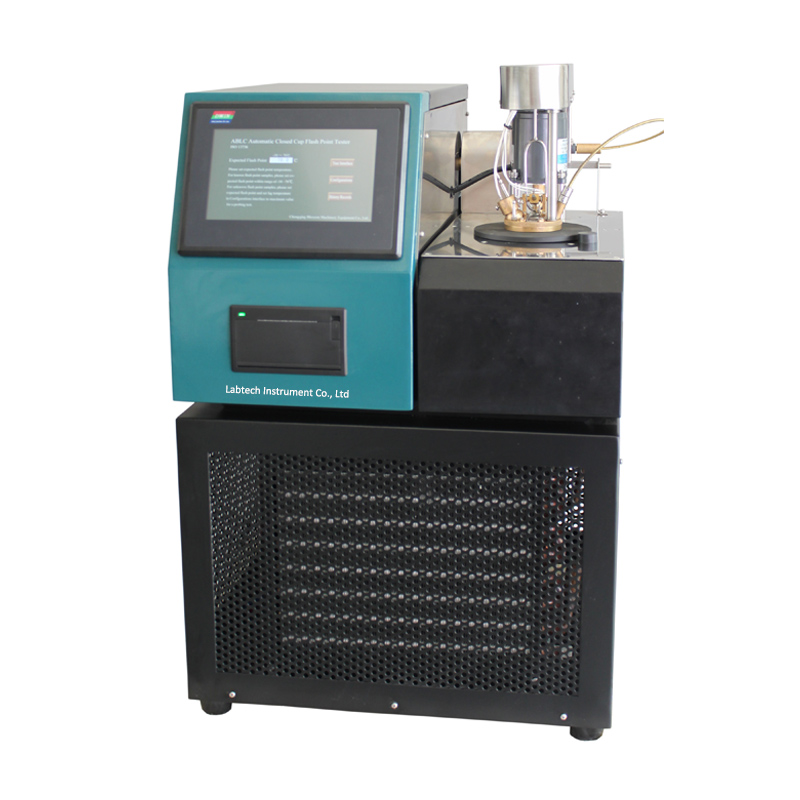
Petroleum Test EquipmentChina Factory Labtech
