What is an Italian Open Buffet?
An Italian open buffet, also known as a "frequenzata" in Italian, is a unique dining experience where guests can freely access a variety of Italian dishes, including antipasti, pasta, meat, fish, and desserts. Unlike traditional sit-down dinners, open buffets offer a relaxed atmosphere where guests can serve themselves and mingle with others. This style of dining is particularly popular in Italy, where food is an integral part of the culture and social gatherings.
Italian open buffets can be found in various settings, including restaurants, hotels, and private events. They often feature a wide range of dishes, from classic Italian favorites like spaghetti Bolognese and bruschetta to more regional specialties like risotto alla Milanese and osso buco. The buffet typically includes a variety of hors d'oeuvres, salads, and side dishes, as well as a selection of cheeses, cured meats, and breads.
One of the key benefits of Italian open buffets is the opportunity to try a variety of dishes without committing to a single entree. Guests can sample multiple items, from antipasti to dessert, and enjoy the flavors and textures of different Italian specialties. This style of dining also encourages social interaction, as guests mingle and share recommendations with one another.
Tips for Hosting an Italian Open Buffet
Choosing the Right Menu
When planning an Italian open buffet, the menu is crucial. Consider the tastes and dietary restrictions of your guests and choose a variety of dishes that cater to different preferences. For example, if you're hosting a vegetarian buffet, include a range of plant-based options like eggplant parmesan and grilled portobello mushrooms. If you're hosting a seafood buffet, feature fresh fish and shellfish like shrimp and mussels.
Don't be afraid to include a few surprise dishes to keep the menu interesting. For example, a spicy Italian sausage or a rich and creamy risotto can add a delightful twist to the buffet. Be sure to include a variety of breads and condiments, like olive oil and balsamic vinegar, to complement the dishes.
When selecting dishes, consider the seasons and local ingredients. For example, a summer buffet might feature fresh vegetables and fruits, while a winter buffet might focus on hearty, comforting dishes like beef stew and roasted root vegetables.
Decorating the Buffet
The ambiance of the buffet is just as important as the menu. Create a warm and inviting atmosphere by using traditional Italian colors like red, green, and gold. Add some decorative elements like Italian-inspired table runners, candles, and flowers to set the mood.
Consider the layout of the buffet and how guests will navigate it. Create a clear path for guests to follow, and be sure to label each dish with its ingredients and name. This will help guests with dietary restrictions and allergies make informed choices.
Don't forget to add some fun and interactive elements to the buffet, like a DIY pasta station or a gelato bar. These can be a great way to engage guests and create a memorable experience.
Planning for Logistics
When hosting an Italian open buffet, it's essential to plan for logistics like staffing, equipment, and timing. Hire experienced staff to manage the buffet and ensure that guests have a seamless experience. Be sure to have sufficient serving utensils, plates, and glasses for all guests.
Plan the timing of the buffet carefully, taking into account the number of guests and the amount of food being served. Aim to have the buffet open for at least 2-3 hours to allow guests to sample multiple dishes.
Consider the flow of the buffet and how guests will move through the food stations. Create a clear path for guests to follow, and be sure to have sufficient staff to manage the crowd.
Review of Popular Italian Open Buffets
The Best Italian Open Buffets in Italy
Italy is home to some of the world's best Italian open buffets, each offering a unique and unforgettable dining experience. Some popular options include:
La Scala in Milan: This iconic restaurant offers a stunning Italian open buffet featuring a range of regional specialties like risotto alla Milanese and osso buco.
Il Pagliaccio in Rome: This Michelin-starred restaurant features a sophisticated Italian open buffet with dishes like hand-made pasta and fresh seafood.
La Merenda in Florence: This cozy restaurant offers a traditional Italian open buffet with dishes like ribollita and pappardelle.
The Best Italian Open Buffets in the United States
The United States is home to many excellent Italian open buffets, each offering a unique take on traditional Italian cuisine. Some popular options include:
Carbone in New York City: This retro-style Italian-American restaurant features a decadent Italian open buffet with dishes like veal parmesan and lobster fra diavolo.
Basta Pasta in San Francisco: This casual Italian eatery offers a creative Italian open buffet with dishes like truffle mac and cheese and roasted vegetable skewers.
Il Fornaio in Los Angeles: This upscale Italian restaurant features a sophisticated Italian open buffet with dishes like handmade pasta and grilled seafood.
Tutorial: How to Set Up an Italian Open Buffet
Step 1: Plan the Menu
Start by planning the menu for your Italian open buffet. Consider the tastes and dietary restrictions of your guests and choose a variety of dishes that cater to different preferences. For example, if you're hosting a vegetarian buffet, include a range of plant-based options like eggplant parmesan and grilled portobello mushrooms.
Don't be afraid to include a few surprise dishes to keep the menu interesting. For example, a spicy Italian sausage or a rich and creamy risotto can add a delightful twist to the buffet.
When selecting dishes, consider the seasons and local ingredients. For example, a summer buffet might feature fresh vegetables and fruits, while a winter buffet might focus on hearty, comforting dishes like beef stew and roasted root vegetables.
Step 2: Set Up the Buffet
Once you have planned the menu, it's time to set up the buffet. Start by creating a clear path for guests to follow, and be sure to label each dish with its ingredients and name. This will help guests with dietary restrictions and allergies make informed choices.
Consider the layout of the buffet and how guests will navigate it. Create a warm and inviting atmosphere by using traditional Italian colors like red, green, and gold. Add some decorative elements like Italian-inspired table runners, candles, and flowers to set the mood.
Don't forget to add some fun and interactive elements to the buffet, like a DIY pasta station or a gelato bar. These can be a great way to engage guests and create a memorable experience.
Step 3: Execute the Buffet
Once the buffet is set up, it's time to execute the event. Be sure to have sufficient staff to manage the crowd and ensure that guests have a seamless experience. Consider hiring experienced staff to manage the buffet and provide exceptional service.
Be sure to have sufficient serving utensils, plates, and glasses for all guests. Plan the timing of the buffet carefully, taking into account the number of guests and the amount of food being served. Aim to have the buffet open for at least 2-3 hours to allow guests to sample multiple dishes.
Consider the flow of the buffet and how guests will move through the food stations. Create a clear path for guests to follow, and be sure to have sufficient staff to manage the crowd.
Conclusion
An Italian open buffet is a unique and unforgettable dining experience that offers a wide range of flavors and textures. By following the tips and guidelines outlined in this article, you can create a memorable and delicious Italian open buffet that will delight your guests. Whether you're hosting a private event or a large gathering, an Italian open buffet is sure to impress.
FAQ
Q: What is an Italian open buffet?
A: An Italian open buffet, also known as a "frequenzata" in Italian, is a unique dining experience where guests can freely access a variety of Italian dishes, including antipasti, pasta, meat, fish, and desserts.
Q: What are some popular Italian open buffets in Italy?
A: Some popular options include La Scala in Milan, Il Pagliaccio in Rome, and La Merenda in Florence.
Q: How do I set up an Italian open buffet?
A: Start by planning the menu, then set up the buffet with a clear path for guests to follow and label each dish with its ingredients and name. Consider adding fun and interactive elements like a DIY pasta station or a gelato bar.
Q: How long should an Italian open buffet be open?
A: Aim to have the buffet open for at least 2-3 hours to allow guests to sample multiple dishes.
Q: What are some popular Italian open buffets in the United States?
A: Some popular options include Carbone in New York City, Basta Pasta in San Francisco, and Il Fornaio in Los Angeles.
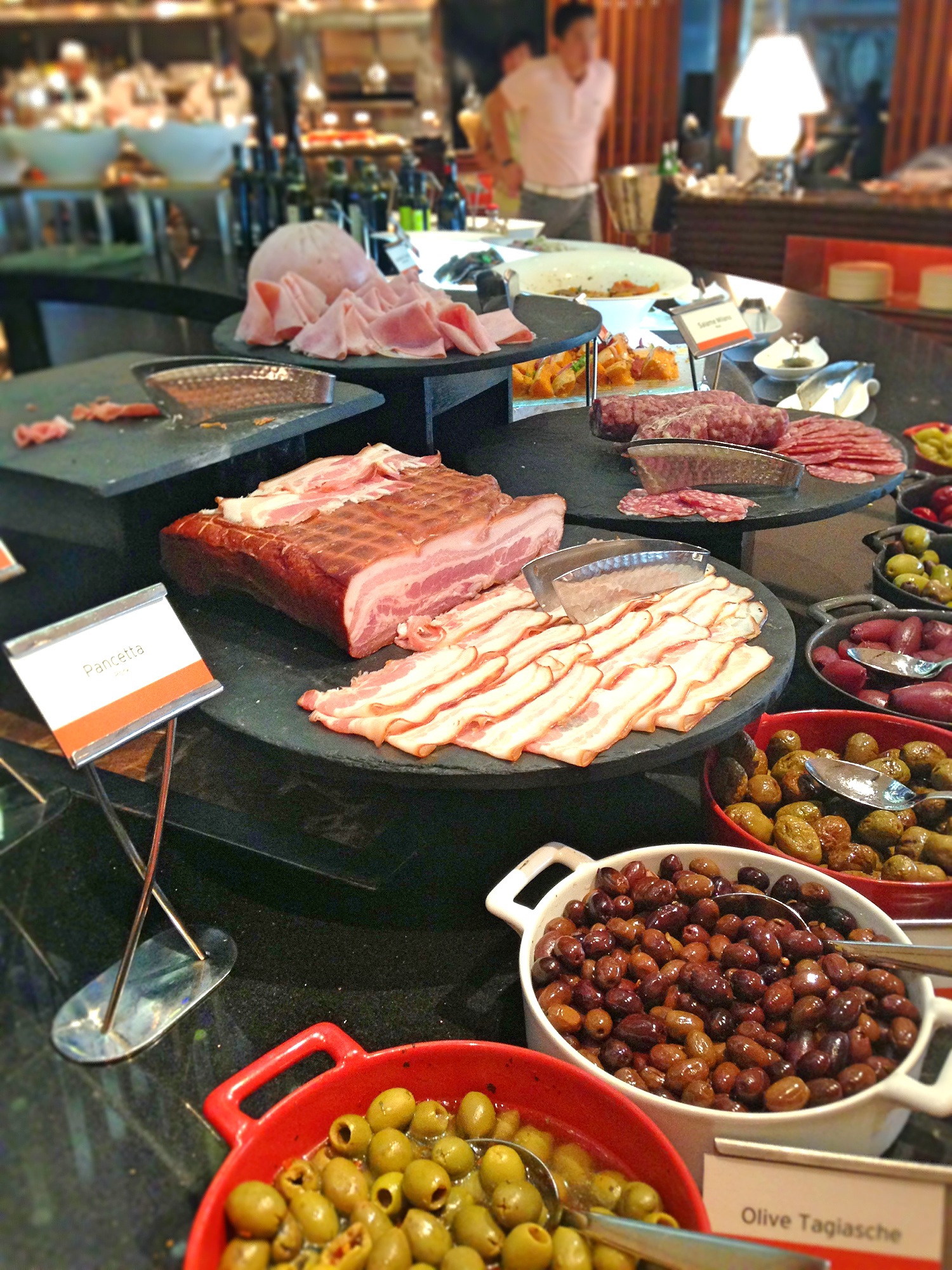
Basilico Italian Restaurant (Regent) Singapore Food Review

Grand Italian Buffet

A Stellar Italian Experience at Midori Clark Hotel and Casino
