The Background: A Brief History of Tensions between Iran and the West
The relations between Iran and the West have been strained for decades. The 1979 Islamic Revolution, which overthrew the Shah and established an Islamic republic, marked a significant turning point in the region. The Ayatollah Khomeini's regime was seen as a threat to Western interests, particularly the United States. The Iran-Iraq War (1980-1988) further exacerbated the tensions, with the US providing military support to Iraq. The 2003 US-led invasion of Iraq and the subsequent occupation created a power vacuum that allowed Iran to expand its influence in the region. The nuclear deal, known as the Joint Comprehensive Plan of Action (JCPOA), which was signed in 2015, was seen as a major breakthrough in Iran-US relations. However, the withdrawal of the US from the deal in 2018 and the reimposition of sanctions marked a significant setback.What is the Iran War Stop?
The Iran war stop is a complex and multifaceted concept that has been bandied about by policymakers and scholars. In essence, it refers to the idea of preventing war between Iran and the West, particularly the United States and Israel. The concept is often associated with the idea of a "cold war" between the two sides, where Iran would be denied the means to develop a nuclear weapon, while the US and its allies would maintain their military presence in the region. The Iran war stop is often seen as a more palatable alternative to war, which would have far-reaching consequences for the region and beyond.What are the Implications of the Iran War Stop?
The implications of the Iran war stop are far-reaching and multifaceted. On the one hand, it would prevent a catastrophic war that would have devastating consequences for the region and beyond. It would also allow for greater economic cooperation and trade between Iran and the West, which would have a positive impact on the region's economy. On the other hand, the Iran war stop would require significant concessions from Iran, including the dismantling of its nuclear program and the acceptance of strict monitoring and verification mechanisms. The deal would also require the US and its allies to provide significant economic incentives to Iran, including the lifting of sanctions and the provision of aid.The Role of Diplomacy in the Iran War Stop
Diplomacy has played a crucial role in the Iran war stop. The negotiations between Iran and the US, which began in 2013, were a major breakthrough in the region. The JCPOA, which was signed in 2015, was a testament to the power of diplomacy in preventing war. However, the withdrawal of the US from the deal in 2018 and the reimposition of sanctions marked a significant setback. Despite this, diplomats continue to work tirelessly to find a solution that would prevent war and promote peace in the region.What are the Challenges Facing the Iran War Stop?
The challenges facing the Iran war stop are significant. One of the major challenges is the mistrust that exists between Iran and the West. The US and its allies have long been concerned about Iran's nuclear program, and the recent developments in the region have only fueled those concerns. Iran, on the other hand, has long been suspicious of the US and its intentions. The other major challenge is the complexity of the issue itself. The Iran war stop is a multifaceted issue that requires a comprehensive and nuanced approach.The Importance of International Cooperation in the Iran War Stop
International cooperation is critical to the success of the Iran war stop. The region is complex and multifaceted, and no single country can resolve the issue on its own. The US, Iran, and other countries in the region must work together to find a solution that would prevent war and promote peace. The international community has a critical role to play in supporting and facilitating the negotiations.What are the Economic Implications of the Iran War Stop?
The economic implications of the Iran war stop are significant. The sanctions that were imposed on Iran following its nuclear program have had a devastating impact on the country's economy. The lifting of sanctions would provide a major boost to Iran's economy, which would have a positive impact on the region's economy. On the other hand, the reimposition of sanctions would have a major negative impact on Iran's economy, which would have a ripple effect throughout the region.The Role of the Private Sector in the Iran War Stop
The private sector has a critical role to play in the Iran war stop. Businesses and investors are often seen as a major driver of economic growth and development. The lifting of sanctions would provide a major opportunity for businesses and investors to engage with Iran, which would have a positive impact on the country's economy. On the other hand, the reimposition of sanctions would make it difficult for businesses and investors to engage with Iran, which would have a negative impact on the country's economy.Conclusion
The Iran war stop is a complex and multifaceted issue that requires a comprehensive and nuanced approach. The implications of the Iran war stop are far-reaching and multifaceted, and the challenges facing the issue are significant. However, with international cooperation, diplomacy, and economic incentives, it is possible to prevent war and promote peace in the region. The private sector has a critical role to play in the Iran war stop, and businesses and investors must engage with Iran to promote economic growth and development.FAQ
Q: What is the Iran War Stop?
The Iran war stop is a complex and multifaceted concept that refers to the idea of preventing war between Iran and the West, particularly the United States and Israel.
Q: What are the implications of the Iran War Stop?
The implications of the Iran war stop are far-reaching and multifaceted, including preventing a catastrophic war, promoting economic cooperation and trade between Iran and the West, and providing significant concessions from Iran.
Q: What are the challenges facing the Iran War Stop?
The challenges facing the Iran war stop are significant, including mistrust between Iran and the West, the complexity of the issue itself, and the need for international cooperation.
Q: What is the role of diplomacy in the Iran War Stop?
Diplomacy has played a crucial role in the Iran war stop, with negotiations between Iran and the US, which began in 2013, being a major breakthrough in the region.
Q: What is the importance of international cooperation in the Iran War Stop?
International cooperation is critical to the success of the Iran war stop, with the region being complex and multifaceted, and no single country able to resolve the issue on its own.
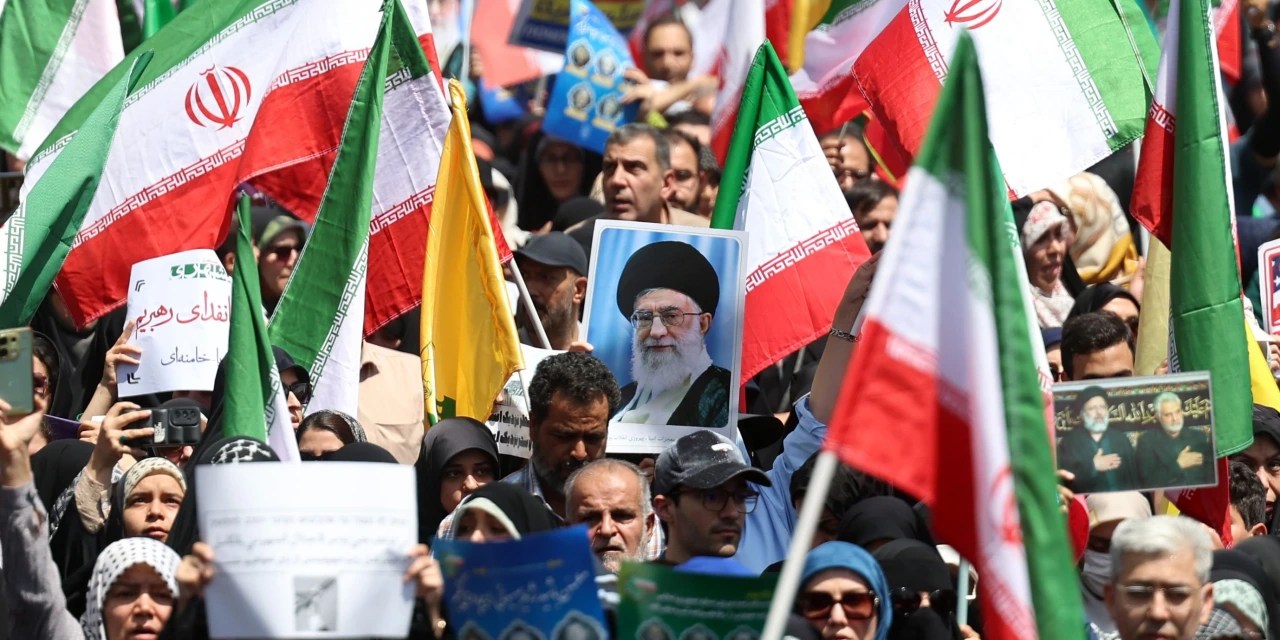
Arab Gulf States Lobby U.S. to Stop IsraelIran War

Here’s What to Do If You Want to Help Stop the Iran War Truthout

The US can end Iran conflict with one call, official from Iran’s
